CM
Coach Mac
Aug 18, 2026 · 7 min read
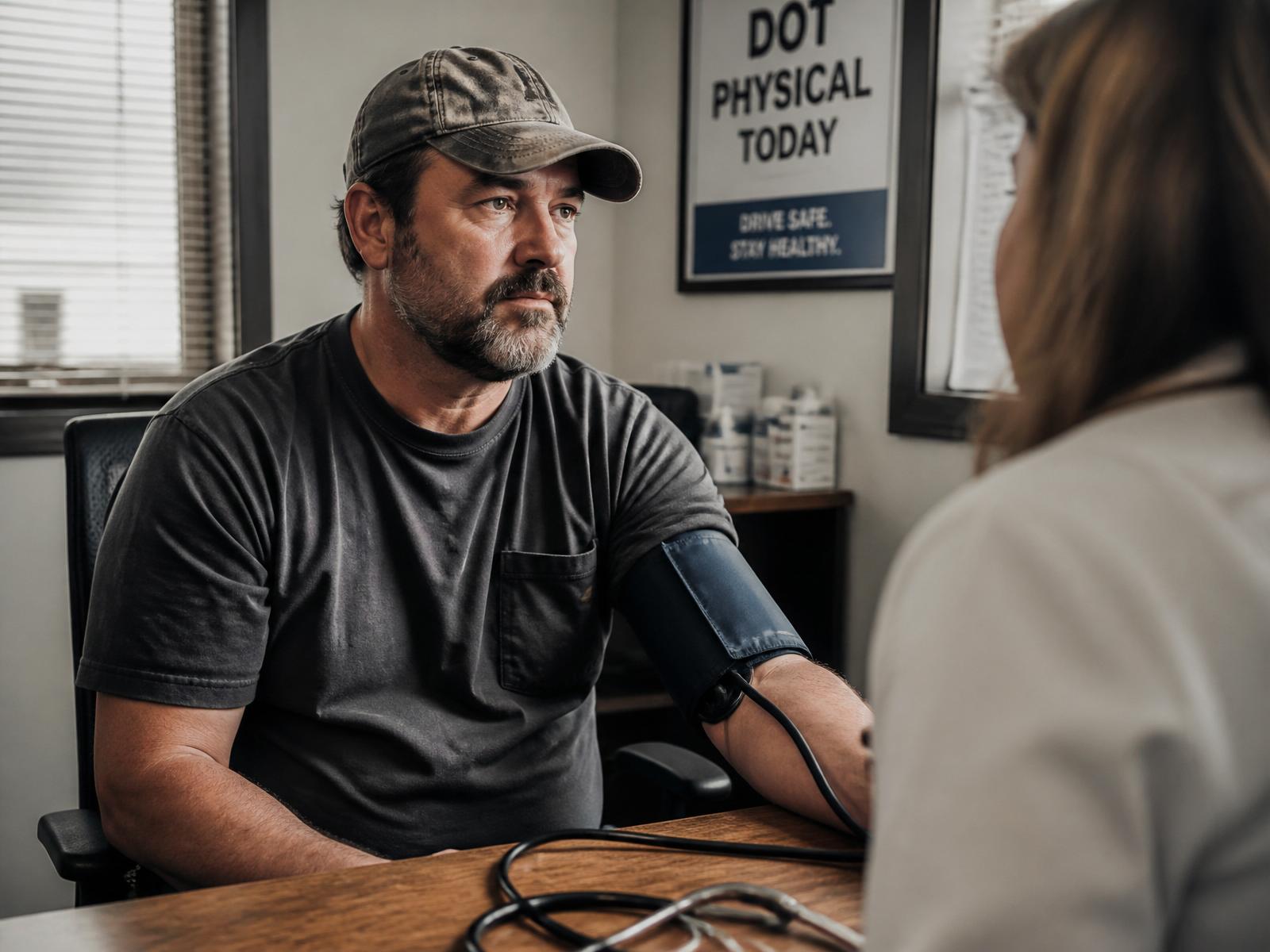
No examiner cuffs you for cholesterol at the DOT. Your arteries do it later. Here's how to read your own lipid panel, spot the numbers that matter, and eat around a truck stop without wrecking either of them.
The DOT physical doesn't check your cholesterol. But your cardiologist does — and your cardiologist is the one you'll meet if you ignore the plate for a decade. Truck-stop food isn't the problem. Repeat truck-stop food is.
The four numbers on the panel
- Total cholesterol — under 200 mg/dL is the goal.
- LDL (the bad one) — under 100 for most, under 70 if you've already had a heart event.
- HDL (the good one) — over 40 (men), over 50 (women). Higher is better.
- Triglycerides — under 150. This is the one truck food nukes fastest.
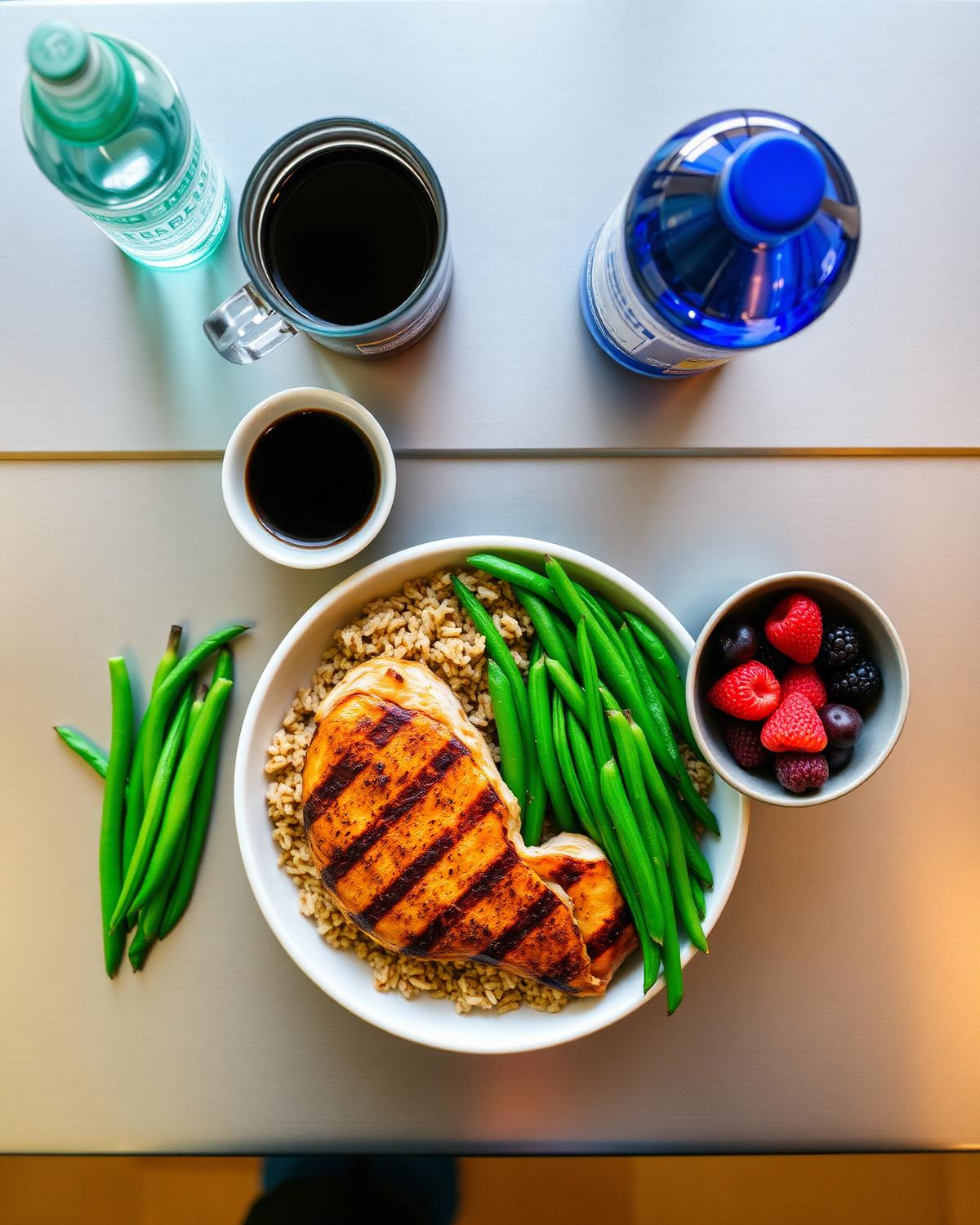
The plate that fixes cholesterol is the plate that fixes almost everything else too.
The truck-stop swaps that move the number
- Grilled chicken instead of fried. Cuts saturated fat 70%.
- Brown rice instead of French fries. Adds fiber that binds cholesterol.
- Green beans, spinach, salad instead of mac and cheese. Every meal.
- Water instead of soda. Cuts triglycerides fast.
- Nuts (almonds, walnuts, pistachios) instead of chips. HDL goes up.
- Oatmeal or Greek yogurt for breakfast instead of pastry. Every day.
The half-plate rule
Every plate, half of it green or colored vegetables. A quarter lean protein. A quarter grain or starch. It works at Iron Skillet, Country Pride, Perkins — anywhere they let you build a plate. Order the sides à la carte if the entrée doesn't come that way.
The four foods to walk past
- Anything deep-fried. Fry oil turns into oxidized LDL.
- Processed meats. Bacon, sausage, hot dogs — daily use raises heart risk 18%.
- Full-sugar sodas. Directly pumps triglycerides.
- Trans fats — check labels for "partially hydrogenated." Rare now, but still lurking in cheap snacks.
§
FreightFit
The plan behind the story.
Micro-workouts, meal scanner, DOT tools. Seven days free.
Build my plan